Climate Controlled Storage vs Non Climate Controlled
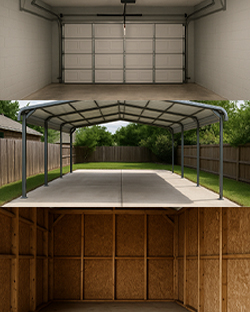
Climate Controlled vs Non Climate Controlled Storage: Which Do You Need?
What Is Climate-Controlled Storage?
Climate-controlled storage units maintain consistent temperature and humidity levels year-round, typically keeping temperatures between 55°F and 85°F. Unlike standard storage units that fluctuate with outdoor conditions, these units use HVAC systems to protect your belongings from extreme heat, cold, and moisture.
These specialized units are located inside buildings with insulated walls, ceilings, and floors. The HVAC systems continuously monitor and adjust conditions to prevent dramatic swings. Most climate-controlled units are positioned in building interiors, away from exterior walls where temperature transfer is more likely, providing additional protection against weather extremes.
How Hot Do Storage Units Get Without Climate Control?
Non-climate-controlled storage units can reach temperatures well above 100°F during summer months, especially in warmer regions. In winter, temperatures can drop below freezing. These extreme fluctuations can damage sensitive items, cause warping, cracking, and create conditions for mold growth.
In southern states like Texas, Arizona, and Florida, non-climate-controlled units can easily reach 120°F or higher during peak summer months. Metal storage units act like ovens, absorbing and radiating heat throughout the day. Even in moderate climates, direct sunlight on metal roofs and walls can push interior temperatures 20-30 degrees higher than outside air temperature.
Temperature swings between day and night create expansion and contraction cycles that harm many materials. Wood expands when hot and humid, then contracts when cool and dry, stressing joints and causing cracks. Plastics become brittle in cold and soft in heat. Metals develop condensation when warm air meets cold surfaces, leading to rust and corrosion. Humidity follows outdoor patterns, and when hot, moist air cools overnight, moisture condenses inside the unit, creating perfect conditions for mold, mildew, and rust.
Indoor Heated Storage vs. Climate-Controlled
Indoor heated storage only provides warmth during cold months but doesn't regulate humidity or cooling. Climate-controlled storage offers comprehensive protection with both heating and cooling systems, plus humidity control. If you're storing items sensitive to moisture or heat, climate control provides superior protection compared to heating alone.
Heated storage prevents freezing damage and keeps temperatures above 50°F, helping items that can crack in freezing conditions. However, these units still experience temperature fluctuations. During summer, they can get quite hot since they lack cooling systems. The heating doesn't address humidity, meaning moisture-related damage remains a significant risk.
Climate-controlled units actively manage the environment in all seasons. They cool when hot, heat when cold, remove excess moisture when humid, and add moisture when too dry. This year-round management creates stable conditions that heated storage cannot match. For items like paper goods, fabrics, leather, and wood, the lack of humidity control in heated storage makes it inadequate.
Is Climate-Controlled Storage Necessary For Your Items?
Whether you need climate-controlled storage depends on what you're storing and for how long. Certain items are particularly vulnerable to temperature and humidity changes. The longer your storage period, the more important climate control becomes, as even minor environmental stress compounds over time.
1. Sensitive Electronics
Computers, televisions, gaming systems, and other electronics contain components that can be damaged by extreme temperatures and humidity. Moisture corrodes circuits, while heat warps plastic casings and damages internal parts. High humidity allows condensation to form inside devices, causing corrosion and shorts. Heat causes plastic to warp, LCD screens to fail, batteries to leak, and adhesives to break down.
2. Leather and Wood Furniture
Wood furniture can crack, warp, or split in fluctuating temperatures. Leather items may dry out, crack, or develop mildew in humid conditions. Wood absorbs and releases moisture based on humidity—swelling when humid and shrinking when dry. This movement causes joints to loosen, veneer to separate, and solid wood to crack. Leather needs specific humidity levels to maintain suppleness. Too much moisture causes mildew; too little causes drying and cracking.
3. Photographs and Paper
Paper-based items are highly susceptible to humidity damage. Photographs can stick together, documents can yellow and become brittle, and books can develop mold or mildew in damp conditions. The emulsion layer in photographs softens in high humidity and heat, causing photos to stick together permanently. Important documents become brittle and yellow when exposed to heat. Books face yellowing pages, failing bindings, and mold growth that creates permanent staining.
Benefits Of Climate-Controlled Storage vs. Standard
Climate-controlled storage offers several advantages over standard units, particularly for long-term storage or valuable items. Beyond protecting belongings, climate-controlled units offer a more pleasant experience when accessing your items. The comfortable temperature makes organizing easier, while standard units can be unbearably hot in summer or freezing in winter.
1. Mold and Mildew Protection
Controlled humidity levels prevent moisture buildup that leads to mold and mildew growth. This protection is essential for fabrics, upholstery, mattresses, and porous materials. Once mold establishes itself, it's nearly impossible to completely remove. The musty smell permeates everything in the storage unit and is extremely difficult to eliminate. Climate-controlled storage prevents mold from starting by maintaining humidity levels too low for these organisms to thrive.
2. Consistent Temperatures
Stable temperatures prevent expansion and contraction that damages many materials. Musical instruments like guitars, violins, and pianos can crack or warp when exposed to temperature swings. The consistent environment also benefits items with multiple materials that expand at different rates, like framed artwork with glass, wood, paper, and metal components.
3. Protection From Extreme Humidity
Humidity control prevents both excessive moisture and overly dry conditions. High humidity promotes rust on metal items, while low humidity causes wood to crack, leather to become brittle, and adhesives to lose bonding strength. The ideal humidity range of 30-50% prevents both problems and keeps most materials stable indefinitely.
Storing Furniture In Non-Climate-Controlled Storage
If you choose non-climate-controlled storage for furniture, proper preparation can minimize potential damage. Assess each piece's value and replaceability. Inexpensive, modern furniture may tolerate standard storage better than solid wood antiques or pieces with sentimental value.
1. Wrapping and Ventilation Tips
Use breathable covers like cotton sheets rather than plastic, which traps moisture. Leave small gaps between items for air circulation. Cotton sheets, canvas drop cloths, or specialized furniture blankets allow air movement while keeping dust off surfaces. When arranging furniture, leave at least a few inches between pieces and position items away from walls, especially exterior walls.
2. Using Pallets and Covers
Place furniture on pallets or wooden boards to keep items off the floor and allow air circulation underneath. Elevating furniture prevents moisture from concrete floors from wicking into wood and fabric, protects against water intrusion, and allows air circulation. Furniture covers designed for storage offer better protection than improvised solutions, with breathable materials that repel dust while allowing moisture to escape.
What Not To Store In Non-Climate-Controlled Storage
Certain items should never be stored in units without climate control. The risk of damage is too high to justify the cost savings. Consider both monetary value and replaceability. Family photos, heirlooms, and one-of-a-kind items deserve climate-controlled protection regardless of dollar value.
1. Delicate Collectibles
Antiques, artwork, wine collections, musical instruments, and valuable collectibles require stable conditions. Wine is particularly sensitive—temperature fluctuations ruin flavor profiles, and heat causes wine to expand, potentially pushing corks out. Temperatures above 70°F cook wine, creating flat flavors that destroy fine vintages. Artwork faces multiple threats: oil paintings crack, watercolors fade, frames warp, and sculptures fail as different materials expand at different rates.
2. Temperature Sensitive Electronics
Computers, televisions, stereo equipment, and appliances with electronic components need climate control. Modern electronics contain densely packed components vulnerable to environmental damage. Batteries degrade rapidly in high temperatures and can become fire hazards. Large appliances contain electronic control boards that can fail in extreme conditions, and condensation can cause rust that makes them inoperable.
Costs Of Climate-Controlled Vs Non-Climate-Controlled Storage
Climate-controlled storage typically costs 25-50% more than standard units. A 10x10 climate-controlled unit might run $150-$200 per month, while a standard unit costs $100-$130. Consider this extra cost as insurance against potential damage to your belongings.
When calculating the true cost difference, factor in storage duration. A $50 monthly difference adds up to $600 annually or $1,200 over two years. If you're storing $10,000 worth of items, spending an extra $1,200 over two years for climate control is a 12% insurance premium against potential total loss—a worthwhile investment. Many storage providers offer discounts for long-term rentals, prepayment, or military/senior status, which can make climate-controlled storage more affordable.
How To Choose Temperature-Controlled Storage or Non-Climate-Controlled
Making the right storage choice requires evaluating several factors specific to your situation. Start by creating a detailed inventory of everything you plan to store, categorizing items by sensitivity to temperature and humidity, value, and replaceability.
1. Evaluate Local Climate
Consider your region's temperature extremes and humidity levels. Areas with harsh winters, hot summers, or high humidity make climate control more important. Research historical weather data for your area. Coastal regions often have high humidity year-round, desert climates have extreme temperature swings, and mountain regions experience harsh winters. Consider microclimates—storage units near water may have higher humidity, and urban areas can be significantly hotter than surrounding areas.
2. Determine Item Sensitivity
List what you're storing and research each item's vulnerability. Create categories: highly sensitive (requires climate control), moderately sensitive (benefits from climate control), and durable (tolerates standard storage). Highly sensitive items include electronics, photographs, documents, musical instruments, artwork, antiques, and fine furniture. If your inventory includes multiple categories, consider splitting them between storage types to save money while protecting vulnerable belongings.
3. Consider Budget and Duration
For short-term storage of durable items, standard units may suffice. Long-term storage or valuable belongings justify the extra cost of climate control. Define what "short-term" means—storage for one or two months poses less risk than a year or more. Create a cost-benefit analysis: list the total value of items, estimate damage probability in standard storage (10-30% for sensitive items), and compare to climate control costs. Don't forget to factor in peace of mind—if you'll worry about your belongings, the extra cost is worthwhile for mental relief alone.
Make Your Storage Decision With Confidence
Choosing between climate-controlled and non-climate-controlled storage comes down to what you're storing, how long you'll store it, and your budget. Climate control provides peace of mind for sensitive items, while standard storage works well for durable goods and short-term needs. When you're ready to rent, ask about temperature and humidity ranges to ensure your unit will provide the protection you need. Once you've chosen your storage type, proper packing and organization remain important. Clean items thoroughly, use appropriate packing materials, label boxes clearly, and take photos of your unit layout.
Frequently Asked Questions About Climate-Controlled Storage
Is Climate-Controlled Storage Worth It For Long Term Storage?
Yes, climate-controlled storage is worth the investment for long-term storage, especially for items sensitive to temperature and humidity. Over months or years, even minor fluctuations can cause significant damage. Long-term storage amplifies every environmental risk. Mold spreads, cracks expand, and rust penetrates deeper. The cumulative effect makes climate control increasingly valuable the longer you store items.
Can You Store Clothes In Non-Climate-Controlled Storage?
You can store most everyday clothing in non-climate-controlled storage if properly prepared. Use airtight plastic bins, add moisture absorbers, and ensure items are completely clean and dry. However, delicate fabrics, leather, fur, and wedding dresses should be stored in climate-controlled units. Wash or dry clean all items before storage. Avoid cardboard boxes and never store clothes in plastic bags, as trapped moisture will cause mildew.
What Temperature Are Climate-Controlled Storage Units?
Climate-controlled storage units typically maintain temperatures between 55°F and 85°F year-round, with most units kept around 70-75°F. Humidity is usually controlled between 30-50%. The specific range varies by location and provider, but the key is that temperatures remain stable and never reach extremes that cause damage. Ask potential storage providers about their specific targets and whether they monitor conditions to ensure systems work properly.
Find Your EmptySpace